ByJohn A
Why Sandwich Culture Is Having a Delicious Moment in Dining Today
Sandwiches have always been a familiar part of dining, but the way people experience them is changing. What was once considered a simple grab-and-go meal is now becoming a creative platform for bold flavors, quality ingredients, interesting textures, and global culinary influences. In 2026, restaurant menus are increasingly reflecting this shift, with diners looking for food that feels both recognizable and exciting.
For anyone searching for the best sandwiches restaurant, the experience is no longer just about choosing between bread and filling. A memorable sandwich can bring together carefully prepared ingredients, contrasting textures, flavorful sauces, and a thoughtful presentation. The growing interest in globally inspired food and familiar dishes with unexpected twists is helping sandwiches become one of the more exciting categories on modern menus.
Why Sandwiches Are Becoming More Creative
One reason sandwiches continue to attract attention is their versatility. Unlike many dishes that have a fixed structure, sandwiches provide plenty of room for experimentation. The bread, filling, sauce, vegetables, cheese, seasoning, and preparation method can all be adjusted to create an entirely different experience.
This flexibility makes the sandwich particularly well suited to current restaurant trends. Diners are increasingly interested in global flavors but often prefer discovering those flavors through familiar formats. Instead of introducing an unfamiliar dish from scratch, restaurants can incorporate ingredients and techniques from different culinary traditions into something people already understand.
The result is a new generation of sandwiches that can feel comforting and adventurous at the same time.
Global Flavors Are Changing Familiar Favorites
One of the most noticeable food trends in 2026 is the growing influence of international flavors. Ingredients inspired by Korean, Japanese, Caribbean, Mediterranean, Latin American, and other cuisines are appearing in increasingly approachable formats.
Sandwiches are an ideal vehicle for this movement because a familiar structure can make new flavors easier to explore. A sandwich might combine a traditional filling with a spicy sauce, fermented vegetables, fresh herbs, or a seasoning inspired by another cuisine.
This approach creates variety without making the dining experience feel complicated.
Some combinations gaining attention include:
- Bold sauces that add heat, acidity, sweetness, or umami without overwhelming the main ingredients.
- Fermented additions such as kimchi, pickles, miso-inspired sauces, or sauerkraut that bring depth and contrast.
- Global seasonings that give familiar proteins and vegetables a distinctive character.
- Fresh herbs and vegetables that balance richer fillings with brightness and texture.
The appeal comes from balance. The goal is not simply to add as many flavors as possible, but to make familiar ingredients feel new.
Bread Is Becoming Part of the Experience
For a long time, bread was treated as the supporting element of a sandwich. Today, it is increasingly becoming part of the attraction.
Artisan baking, sourdough, milk bread, focaccia, and other distinctive bread styles are gaining attention because diners are becoming more interested in texture, craftsmanship, and ingredient quality. Recent food trends also show growing appreciation for bread-making techniques and fermentation.
The right bread can completely change a sandwich. A crisp exterior can provide contrast against a tender filling, while a soft, airy loaf can create a lighter eating experience. Sourdough can introduce tanginess, whereas milk bread can provide a softer and slightly sweet character.
This attention to bread also encourages restaurants to think about the sandwich as a complete composition rather than simply a filling placed between two slices.
Texture Matters More Than Ever
Flavor may be the first thing people notice, but texture can determine whether a sandwich feels truly satisfying.
Modern diners are becoming more conscious of sensory experiences, including crispness, softness, crunch, creaminess, and chewiness. Restaurant industry commentary for 2026 points to texture as an increasingly important part of menu development.
A well-designed sandwich might combine several textures in one bite. Crisp vegetables can contrast with a tender protein. Toasted bread can complement a creamy spread. Pickled ingredients can provide a sharp, crunchy element against softer components.
This contrast keeps each bite interesting and prevents the sandwich from feeling one-dimensional.
Sauces Can Define the Entire Sandwich
A good sauce can bring separate ingredients together and give a sandwich its identity. Recent analysis of hundreds of sandwich launches found that sauces play an important role in making sandwiches distinctive and appealing.
This makes sense because sauce can influence several elements at once. It can add moisture, acidity, richness, sweetness, spice, or umami while helping the ingredients work together.
A carefully chosen sauce can also make a familiar sandwich feel completely different. A creamy dressing may create a rich and comforting profile, while a tangy fermented sauce can provide a sharper and more contemporary character.
The most effective sauces support the other ingredients rather than hiding them.
Comfort Food Meets Culinary Innovation
Another reason sandwiches are enjoying renewed attention is the combination of nostalgia and creativity. Restaurant trends in 2026 show that familiar comfort foods are being reinvented rather than abandoned. Diners still want food that feels satisfying and recognizable, but they are also interested in new interpretations.
Sandwiches naturally fit this balance.
A classic combination can remain at the heart of a dish while updated bread, seasonal vegetables, house-made sauces, or global seasonings introduce something unexpected. This allows diners to experience a sense of familiarity while still discovering a new flavor combination.
That balance may be one of the strongest reasons sandwiches continue to remain relevant across different generations.
The Catch and the Modern Sandwich Experience
At The Catch, the appeal of a sandwich can be understood as more than simply putting several ingredients together. A thoughtfully prepared sandwich brings together the qualities diners increasingly value: satisfying textures, recognizable ingredients, flavorful combinations, and an experience that feels worth remembering.
The wider restaurant landscape is moving toward food that feels personal and intentional. Diners want dishes that deliver flavor while also giving them something interesting to discover. This does not necessarily mean making food complicated. Sometimes the strongest result comes from using a few well-chosen ingredients and allowing each one to contribute something meaningful.
Personalization Is Shaping Restaurant Dining
Another important part of modern dining is the desire for flexibility. People have different preferences, dietary considerations, and expectations from a meal. Sandwiches naturally lend themselves to customization because individual components can often be adjusted without changing the basic concept.
Personalization can involve the choice of protein, vegetables, sauces, bread, or other toppings. It can also allow diners to explore different flavor profiles while maintaining the familiar sandwich format.
This flexibility makes sandwiches suitable for a wide range of dining occasions. They can work as a casual lunch, a convenient meal, or part of a relaxed social gathering.
Social Media Is Influencing What People Want to Try
Food discovery has also changed significantly because of social media. Visually distinctive dishes can quickly attract attention, and sandwiches are particularly suited to food photography and short-form videos.
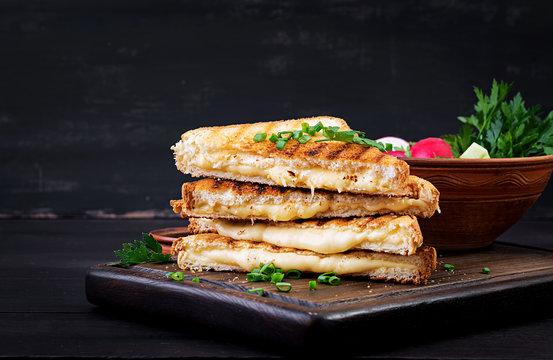
The combination of layered fillings, colorful vegetables, toasted bread, melted cheese, sauces, and dramatic textures can make a sandwich visually appealing before the first bite. At the same time, social media is helping regional flavors reach audiences far beyond their original locations.
However, visual appeal alone is not enough. Restaurant chefs and industry experts are increasingly emphasizing the importance of authentic dining experiences rather than creating food solely for online attention.
A sandwich may attract someone because it looks interesting, but flavor and quality are what encourage them to remember the experience.
See also: Solar Panel System in Pakistan: A Complete Guide to Clean, Affordable & Sustainable Energy
What Makes a Sandwich Stand Out
With so much creativity entering the category, the most memorable sandwiches tend to share several qualities. They do not need to contain unusual ingredients simply for the sake of being different.
Instead, they usually focus on balance and intention.
A standout sandwich often has:
- Quality bread that complements rather than competes with the filling.
- A clear combination of flavors where every ingredient serves a purpose.
- Contrasting textures that make each bite more enjoyable.
- A sauce or spread that connects the main components.
- Fresh elements that add brightness and prevent heavier flavors from becoming overwhelming.
- A distinctive detail that gives the sandwich its own personality.
These elements may sound simple, but bringing them together requires thoughtful preparation.
The Future of Sandwich Dining
The sandwich category is likely to remain a strong part of restaurant innovation because it can adapt to changing tastes without losing its familiar identity. Current trends point toward global flavors, premium ingredients, fermentation, texture-focused dishes, customization, and renewed interest in comfort food.
At the same time, there is growing interest in simplicity. Not every sandwich needs a long list of ingredients. Some of the most appealing modern dishes use a focused combination of high-quality components and let preparation techniques create the difference.
This creates an interesting future for sandwiches. The category can move in multiple directions at once, from globally inspired combinations to refined versions of familiar classics.
Conclusion
The sandwich is proving that a familiar format can still feel fresh. Its adaptability allows chefs and restaurants to explore global flavors, creative textures, artisan breads, distinctive sauces, and comforting combinations without losing the accessibility that makes sandwiches so appealing.
As dining habits continue to evolve, people are looking for meals that offer more than convenience. They want flavor, quality, personality, and an experience that feels intentional. The modern sandwich can deliver all of these qualities while remaining approachable.
For diners exploring new food experiences, understanding about us and the philosophy behind a restaurant can be just as valuable as looking at the menu. Ultimately, the strongest sandwich experiences are built around thoughtful ingredients, balanced flavors, and genuine attention to the food. That combination is helping sandwiches move beyond their traditional role and become an increasingly creative part of today’s dining culture.