ByJohn A
Creating a Calmer Home: How Better Sleep Supports Happy Dogs
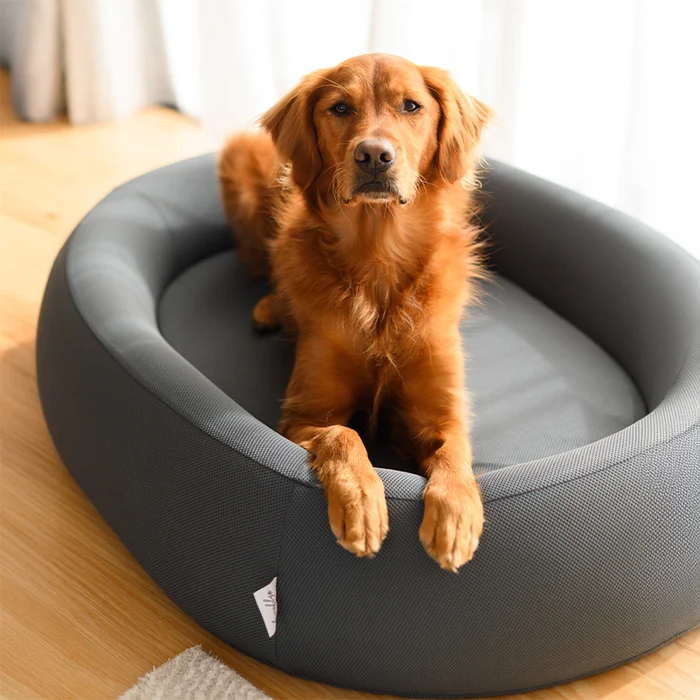
A dog’s sleeping environment can influence much more than where they curl up at night. Rest plays an important role in emotional balance, physical recovery, and everyday behavior. As more pet owners focus on creating calmer, more comfortable homes for their animals, thoughtful sleep spaces have become an important part of that approach. Choosing a cosy calming dog bed can give your dog a familiar place to relax while helping create a peaceful routine that supports better rest.
Dogs experience their surroundings differently from people. Sounds, movement, temperature, light, and unfamiliar scents can all affect how comfortable they feel. A thoughtfully designed sleeping area can reduce some of these distractions and give them a dependable space where they know they can settle down.
Why a Peaceful Sleeping Space Matters
Sleep is essential for dogs of every age. Puppies need rest to support development, while adult dogs rely on regular sleep to maintain energy and emotional balance. Older dogs may also benefit from a comfortable surface that makes resting easier on their bodies.
A designated sleeping area can provide a sense of familiarity. When a dog has a consistent place to retreat, that space can become associated with relaxation rather than activity. This is especially useful in busy households where people are regularly moving between rooms.
A peaceful sleep space can also support healthy routines. Dogs often respond well to predictable patterns, and having a familiar resting place can make transitions between active periods and quiet periods easier.
Understanding What Makes a Dog Feel Comfortable
Comfort is not simply about softness. A good resting environment should consider your dog’s size, sleeping habits, surroundings, and individual preferences.
Some dogs prefer to stretch out completely, while others naturally curl into a compact position. Some enjoy resting with their heads raised, whereas others prefer a flatter surface. Watching how your dog sleeps can provide useful clues when choosing their ideal resting arrangement.
Consider these factors when evaluating a sleeping area:
- Size: The sleeping surface should allow your dog to change position comfortably without feeling restricted.
- Support: A stable and supportive surface can help create a more comfortable resting experience.
- Material: Soft, breathable materials can make the sleep area more inviting while supporting everyday comfort.
- Shape: Raised edges can appeal to dogs that enjoy curling up or resting their heads against something.
- Accessibility: Dogs should be able to get onto and off the bed easily, particularly if they are less agile.
The goal is to create a space that feels inviting without becoming overly complicated.
The Growing Interest in Calm Pet Spaces
Pet care is increasingly moving beyond basic feeding, grooming, and exercise. Many owners are paying closer attention to enrichment, emotional wellbeing, sleep quality, and the home environment.
This shift reflects a broader understanding of pets as part of the household. Instead of treating a dog’s bed as a simple piece of furniture, owners are considering how its placement and design fit into the animal’s overall routine.
Calm pet spaces are particularly relevant in homes with open layouts, frequent visitors, children, or multiple pets. A dog may enjoy being close to the family while still needing a quiet place to retreat when the environment becomes overwhelming.
This does not mean isolating the dog. In many cases, placing their bed in a peaceful corner of a commonly used room can provide a useful balance between companionship and personal space.
Choosing the Right Location
Even a comfortable bed may not feel relaxing if it is placed in a disruptive location. Dogs can become unsettled when their resting area is positioned beside constant foot traffic, loud appliances, or frequent sources of sudden noise.
Look for a location that allows your dog to observe what is happening without being directly in the middle of it. A corner of the living room, a quiet section of a bedroom, or another low-traffic area can work well depending on your home.
Avoid placing the bed directly beside heating vents or in areas with strong drafts. Temperature changes can affect comfort, particularly for dogs with thick coats or those that are more sensitive to heat and cold.
Natural light can also influence the atmosphere. A softly lit area may feel more relaxing than a location exposed to intense artificial lighting throughout the evening.
Creating a Consistent Sleep Routine
A comfortable bed works best when it becomes part of a predictable routine. Dogs often recognize patterns in household behavior, so consistent signals can help them understand when it is time to settle.
A calm evening routine might include quieter interaction, reduced household activity, and access to the dog’s usual sleeping area. Keeping these habits reasonably consistent can help your dog transition from play and activity toward rest.
It is also useful to avoid turning the sleeping space into an area associated with punishment. Your dog’s bed should ideally feel safe and positive. If they choose to retreat there voluntarily, allowing them that space can reinforce its role as a place for relaxation.
Materials and Maintenance Matter
Cleanliness is another important part of a comfortable sleeping environment. Dogs naturally bring dirt, hair, and outdoor debris into the home, and their bedding can collect these materials over time.
Look for bedding that is practical to maintain and suited to your dog’s everyday habits. Removable or washable components can make routine cleaning easier. Materials should also be appropriate for the environment in which the bed will be used.
Brooklyn reflects the kind of design thinking that considers comfort as part of a dog’s everyday living environment rather than treating bedding as an afterthought.
Regularly checking the condition of the sleeping surface is equally useful. Flattened padding, damaged fabric, or exposed filling can affect comfort and may indicate that the bed needs attention.
See also: How Modern Roof Design Is Transforming Bright, Energy-Efficient Homes
Supporting Dogs With Different Sleeping Habits
Every dog has individual preferences. Breed characteristics can influence sleeping behavior, but personality and experience matter too.
A dog that likes to burrow may appreciate a more enclosed-feeling environment, while one that prefers visibility may be happier with an open sleeping surface. Dogs that frequently stretch out may require more room than their compact appearance suggests when they are standing or walking around.
Pay attention to small behavioral signals. If your dog repeatedly leaves the bed, changes position frequently, or chooses the floor instead, the sleeping arrangement may not be meeting their preferences.
That does not automatically mean the bed is unsuitable. Room temperature, nearby activity, household noise, and other environmental factors can all influence where a dog chooses to rest.
Making the Home More Relaxing for Your Dog
A calm sleeping space is only one part of a dog-friendly home. The wider environment can also influence how easily a dog settles.
Consider creating clear areas for different activities. Food can have its own location, toys can be stored in an accessible area, and the sleeping space can remain relatively quiet. This can make the home feel more predictable from your dog’s perspective.
Reducing unnecessary disruption can also help. Sudden loud sounds, constant movement around the sleeping area, or repeatedly disturbing a resting dog can make it harder for them to relax.
At the same time, dogs are social animals. A completely isolated sleeping area may not suit every dog. The best arrangement often provides a sense of security while keeping them close enough to the people they trust.
Comfort Beyond the Bed
A comfortable sleeping surface cannot replace the other elements of a healthy routine. Dogs also need appropriate physical activity, mental stimulation, social interaction, hydration, and balanced nutrition.
Exercise can influence rest by giving dogs an appropriate outlet for their energy. Mental enrichment can also help prevent boredom, particularly for dogs that spend significant time indoors.
However, more activity is not always better. Dogs need opportunities to wind down as well. A household that constantly encourages play without allowing quiet periods may make it harder for a dog to recognize when it is time to rest.
Finding a balance between activity and recovery is an important part of supporting overall wellbeing.
Paying Attention to Changes in Sleeping Behavior
Knowing your dog’s normal sleeping habits can help you notice changes. A temporary change may happen because of alterations in the household, weather, activity levels, or routine.
More persistent changes deserve closer attention. If a dog suddenly becomes unusually restless, sleeps significantly more or less than usual, repeatedly changes sleeping positions, or avoids previously comfortable areas, it may be worth discussing the change with a veterinarian.
The sleeping environment should be considered alongside other aspects of your dog’s behavior. Observing patterns rather than focusing on a single night can provide a clearer picture of what your dog may need.
Building a Space Your Dog Wants to Use
The most effective dog sleeping space does not necessarily need to be elaborate. It should simply suit the dog’s physical needs and personality while fitting naturally into the home.
Start by observing where your dog already chooses to rest. Their existing preferences can reveal whether they value warmth, cool surfaces, privacy, visibility, softness, or proximity to family members.
From there, create a dedicated area that reflects those preferences. Keep the surroundings reasonably calm, maintain the bedding, and give your dog the freedom to use the space without unnecessary interruptions.
Over time, that area can become a familiar part of their daily routine.
Conclusion
A dog’s sleeping environment can have an important role in creating a calmer and more comfortable home. The right sleeping space combines physical comfort with thoughtful placement, cleanliness, consistency, and an understanding of individual preferences.
Rather than focusing only on how a bed looks, consider how it supports your dog’s natural sleeping habits and fits into the rhythm of your household. Small environmental choices can make a meaningful difference to how secure and relaxed a dog feels.
Most importantly, observe your dog. Their behavior can tell you what works and what may need adjusting. When you create a space that respects their need for comfort, quiet, and familiarity, you are doing more than giving them somewhere to sleep. You are creating a dependable part of their everyday environment. If you need guidance in choosing an appropriate option for your dog’s needs, Get in touch and explore how thoughtful design can make everyday rest more comfortable.