
ByJohn A
How to Find an Affordable Dental Implant Without Losing Quality
Missing teeth can affect more than just the appearance of your smile. They may also influence chewing ability, speech, confidence, and overall oral health. Dental implants are often considered a long-term solution for replacing missing teeth because they are designed to function similarly to natural tooth roots. However, many people hesitate to consider this treatment because of concerns about cost.
Finding an Affordable Dental Implant does not necessarily mean choosing the cheapest available treatment. Instead, it means understanding what influences the cost, comparing your options carefully, and making sure that affordability does not come at the expense of proper treatment planning, quality materials, professional expertise, or patient care.
This guide explains how to look for an Affordable Dental Implant while focusing on the factors that contribute to safe and long-lasting treatment.
Understand What Is Included in the Treatment Cost
One of the most important steps when comparing dental implant options is understanding exactly what is included in the quoted price. Dental implant treatment may involve several stages, and the initial price you see may not always represent the complete cost.
Depending on your individual needs, treatment may include:
- Initial consultation and oral examination
- Dental X-rays or advanced imaging
- Tooth extraction, if required
- Implant placement
- Bone or gum preparation
- Healing and follow-up appointments
- The connector attached to the implant
- The final crown or replacement tooth
Before making a decision, ask for a clear explanation of the complete treatment plan. A lower initial price may seem attractive, but additional procedures or components can increase the final cost.
An Affordable Dental Implant should offer good value by providing a transparent treatment plan that clearly explains what you are paying for.
Do Not Choose Based on Price Alone
Cost is an important consideration, but it should not be the only factor when choosing a dental implant provider. Extremely low prices can sometimes indicate that important aspects of treatment have been excluded or that the treatment plan has not been properly personalized.
A successful dental implant requires careful evaluation of the jawbone, gums, surrounding teeth, and overall oral health. Every patient is different, and a treatment plan should be based on individual needs rather than a fixed approach for everyone.
When comparing providers, consider:
- Professional qualifications and experience
- The quality of diagnostic evaluation
- Treatment planning methods
- The materials and components used
- Hygiene and safety standards
- Follow-up and aftercare support
- Transparency regarding the total cost
The goal should be to find a balance between affordability and quality. A lower price is only beneficial when the treatment remains appropriate for your dental needs.
Compare Complete Treatment Plans
It can be helpful to compare more than one consultation before making a final decision. However, comparisons should go beyond looking at the total price.
Two treatment plans may have different costs because they include different services. One plan may include advanced diagnostic imaging and follow-up appointments, while another may charge separately for these services.
When comparing options, try to evaluate:
- What services are included?
- Are diagnostic scans part of the cost?
- Is the final replacement tooth included?
- Are additional procedures charged separately?
- How many follow-up visits are provided?
- What type of long-term support is available?
This allows you to compare the overall value of each treatment option rather than simply choosing the lowest number.
Ask About Your Individual Treatment Needs
Not every patient requires the same dental implant procedure. Some people may be ready for implant placement after an examination, while others may need additional treatment to improve their oral health first.
For example, certain patients may require treatment for gum disease, removal of a damaged tooth, or preparation of the jawbone. These additional procedures can affect the overall cost.
A quality provider should explain why each recommended step is necessary. Do not hesitate to ask questions about the treatment plan and whether there are different approaches available for your specific condition.
Finding an Affordable Dental Implant often begins with understanding your actual needs rather than paying for services that may not be necessary.
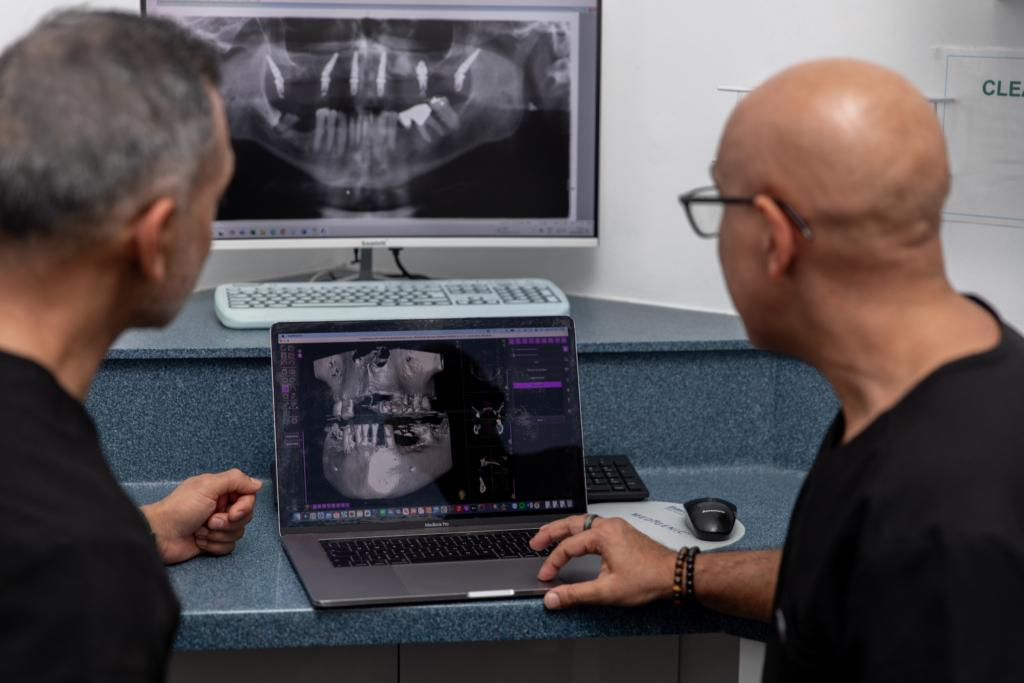
Look for Proper Experience and Professional Care
Experience plays an important role in dental implant treatment. Implant procedures require detailed planning and careful placement to support proper healing and long-term function.
When researching a provider, consider asking about their experience with implant dentistry and the types of cases they commonly manage. You can also ask how they evaluate your oral health before treatment begins.
A professional consultation should involve more than simply providing a price. The provider should examine your dental condition, discuss your treatment goals, explain possible concerns, and provide realistic information about the expected process.
Affordable treatment should still include appropriate professional care. Saving money by skipping a detailed assessment may lead to greater expenses if problems arise later.
Consider the Long-Term Value
Dental implants are generally considered a long-term tooth replacement option, so it is important to think beyond the initial treatment cost. A cheaper solution may appear more affordable in the short term but could require additional maintenance, replacement, or correction later.
When evaluating your options, consider the overall value of treatment over time. Factors such as durability, oral hygiene requirements, follow-up care, and future dental needs may all influence the long-term cost.
The right decision is not always the least expensive option. It is the option that provides an appropriate balance of cost, quality, function, and expected longevity.
Ask About Payment and Treatment Planning Options
In some cases, treatment costs may be easier to manage through structured payment arrangements. Before making assumptions about affordability, ask the provider whether payment options are available and what services are included in each arrangement.
Make sure you fully understand:
- The total estimated cost
- Any separate fees
- Payment schedules
- Additional treatment charges
- Follow-up care costs
Clear financial information can help you plan your treatment more effectively and avoid unexpected expenses.
Do Not Ignore Technology and Diagnostic Tools
Modern dental technology can support more accurate diagnosis and treatment planning. Digital imaging and advanced scans may help the provider evaluate the condition of the jawbone and identify important structures before implant placement.
Technology should not be viewed as an unnecessary expense automatically. In many cases, proper diagnostic tools can help the dental professional create a more precise treatment plan.
However, technology is only one part of quality care. The best results depend on the combination of accurate diagnosis, professional experience, appropriate materials, and proper aftercare.
Focus on Aftercare and Long-Term Maintenance
The dental implant process does not end after the procedure is completed. Proper aftercare and regular dental check-ups are important for maintaining healthy gums and monitoring the condition of the implant.
A provider should explain how to care for the treatment area and what follow-up appointments may be needed. Good oral hygiene remains essential, even after a missing tooth has been replaced.
Ask about the long-term care process, including:
- Recommended follow-up visits
- Oral hygiene instructions
- Signs that may require professional attention
- Maintenance requirements for the final restoration
A treatment option that includes appropriate guidance and support can offer better value than one that focuses only on the initial procedure.
Questions to Ask Before Making a Decision
Before choosing a provider, prepare a few questions to help you evaluate both cost and quality:
- What is included in the total treatment cost?
- Will I need additional procedures before implant placement?
- What diagnostic methods will be used?
- What materials are included in the treatment plan?
- How much experience does the professional have with dental implants?
- How long is the expected treatment process?
- What follow-up care will I receive?
- Are there any possible additional costs I should know about?
The answers to these questions can help you make a more informed decision and compare treatment options fairly.
See also: Leaflet Distribution Is Helping Local Businesses Cut through Digital Marketing Fatigue
Final Thoughts
Finding an Affordable Dental Implant without losing quality requires careful research and realistic expectations. Instead of choosing a provider based only on the lowest advertised price, focus on the complete value of the treatment.
Look for transparent pricing, detailed consultations, appropriate diagnostic planning, professional experience, quality standards, and reliable aftercare. Take time to understand what is included in the treatment plan and ask questions about any costs that are unclear.
The best Affordable Dental Implant option for you will depend on your individual oral health needs, treatment requirements, and long-term goals. With careful planning and the right information, it is possible to prioritize both affordability and quality when exploring dental implant treatment.