ByJohn A
How to Use Skin Factor Niacinamide Serum for Maximum Results: A Step-by-Step Guide
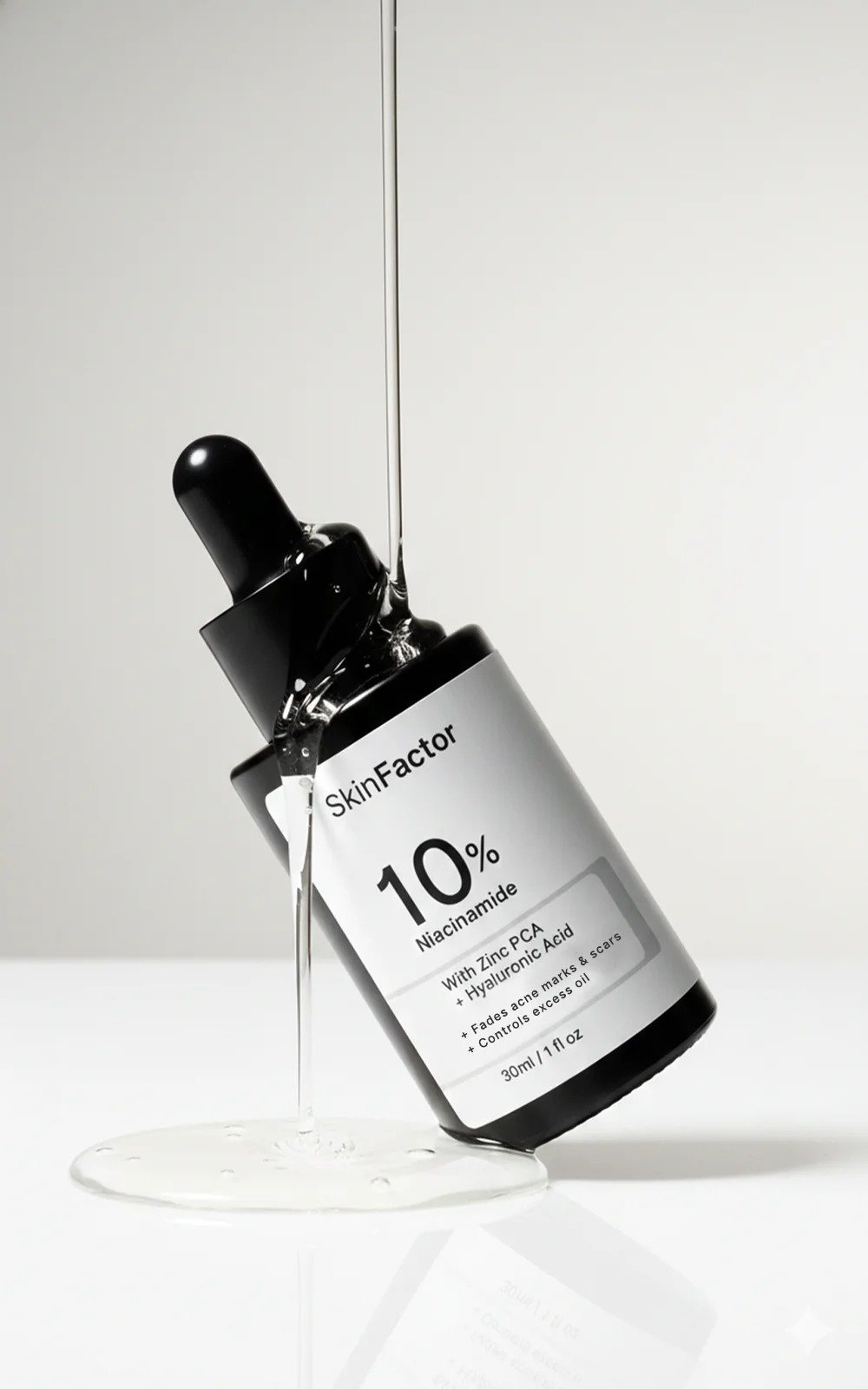
Buying the right product is only half the equation. The other half — the part that actually determines whether you see results — is how you use it. A great Niacinamide Serum can control oil, fade acne marks, and even out skin tone, but only if it’s applied correctly, layered with the right products, and used consistently over time. This guide walks through exactly how to build niacinamide into your routine so you get the most out of every drop.
Step 1: Start With a Clean Face
Niacinamide works best on skin that’s free of dirt, oil, and leftover makeup. Begin both your morning and evening routine with a gentle cleanser suited to your skin type — a gel cleanser if you’re oily or acne-prone, a creamier formula if your skin runs dry. Rinse thoroughly and pat your face dry, leaving it slightly damp rather than bone-dry. A bit of residual moisture actually helps serums absorb more evenly instead of sitting on the surface.
Step 2: Apply a Toner If You Use One (Optional)
If your routine includes a toner, apply it right after cleansing and before your serum. Toners help balance the skin’s pH and can add a light layer of hydration that makes the following steps absorb better. This step isn’t mandatory, but if you already use one, keep the order consistent: cleanse, tone, then serum.
Step 3: Apply the Niacinamide Serum Correctly
This is the step most people get wrong — not through carelessness, but simply by using too much product or applying it incorrectly.
Use two to three drops. Niacinamide serums are concentrated, and a little genuinely goes a long way. Piling on more product doesn’t speed up results; it just wastes product and can occasionally increase the chance of temporary flushing.
Press, don’t rub. Warm the drops between your fingertips and gently press them into your face and neck rather than dragging or rubbing, which can cause unnecessary friction on the skin.
Give it a moment to absorb. You don’t need to wait long, but let the serum sink in for 30 to 60 seconds before moving to your next step.
Step 4: Follow With a Moisturizer
Sealing in the serum with a moisturizer is essential. Niacinamide supports your skin’s barrier by encouraging ceramide production, but a good moisturizer reinforces that work by locking in hydration and preventing water loss throughout the day or overnight. Skipping this step is one of the most common reasons people don’t see the barrier-strengthening benefits they were expecting.
Step 5: Never Skip Sunscreen in the Morning
If you’re using niacinamide in your morning routine — which is recommended, since it carries no sun sensitivity — always finish with a broad-spectrum sunscreen. This isn’t just general skincare advice; it directly protects the results you’re working toward. Fading post-acne marks and achieving a more even tone only sticks if you’re simultaneously preventing new sun-triggered pigmentation from forming. Skipping sunscreen can undo weeks of progress.
How to Layer Niacinamide With Other Active Ingredients
One of niacinamide’s biggest advantages is how well it plays with other actives. Here’s how to combine it without irritation:
With Vitamin C: Apply Vitamin C first in the morning, then follow with niacinamide. The old idea that these two ingredients cancel each other out has been widely disproven — together they can enhance brightening and oil control.
With Salicylic Acid or Kojic Acid: Use these at night, applying niacinamide either before or after depending on your skin’s sensitivity. If you’re new to combining actives, apply the treatment acid first, then niacinamide afterward to help buffer any potential irritation.
With Retinol: Niacinamide pairs particularly well with retinol at night, since its barrier-supporting properties can help reduce the dryness and flaking that retinol sometimes causes.
With Hyaluronic Acid: Apply niacinamide first, then hyaluronic acid, following the general skincare rule of thinnest to thickest consistency.
Morning vs. Night: Does It Matter?
Serum can be used both morning and night, and for most people, twice-daily use produces the fastest results. There’s no strict rule requiring one over the other — the key is consistency. If you can only fit it into one part of your routine, evening use is a solid choice since your skin is in repair mode overnight, but daily use, morning and night, is what most consistently produces visible improvements in oil control, pore appearance, and tone.
Do You Need to Introduce It Gradually?
Unlike exfoliating acids or retinol, niacinamide typically doesn’t require a slow introduction period. Most people can begin with full twice-daily use right away. That said, if you have particularly reactive or compromised skin, it’s reasonable to patch test first and start with once-daily use for the first few days, simply as a precaution, before moving to a full twice-daily routine.
What Results to Expect, and When
Patience matters here — niacinamide works cumulatively rather than overnight. A realistic timeline looks something like this:
Weeks 1–2: Reduced midday shine and a slightly less oily feel.
Weeks 2–4: Pores start to look visibly smaller and less congested.
Weeks 4–6: Post-acne marks begin to fade, and skin tone starts to look more even.
Ongoing use: A stronger, more resilient skin barrier and a generally calmer, more balanced complexion.
Common Mistakes to Avoid
Using too much product. More serum doesn’t mean faster results — it just increases the odds of unnecessary sensitivity.
Skipping moisturizer or sunscreen. These two steps are what lock in and protect the results niacinamide is working to create.
Expecting overnight results. Real change takes weeks, not days. Stopping too early is one of the most common reasons people feel like a product “didn’t work.”
Inconsistent use. Skipping days here and there significantly slows down visible progress. Daily consistency is what drives results.
Final Thoughts
Niacinamide is one of the most forgiving, versatile ingredients in skincare, but getting the most out of it still comes down to the basics: clean skin, the right amount of product, proper layering, and daily consistency. Follow these steps and give your skin the four to six weeks it typically needs to show visible change, and a niacinamide serum can genuinely become one of the most reliable, low-maintenance parts of your entire routine.