ByJohn A
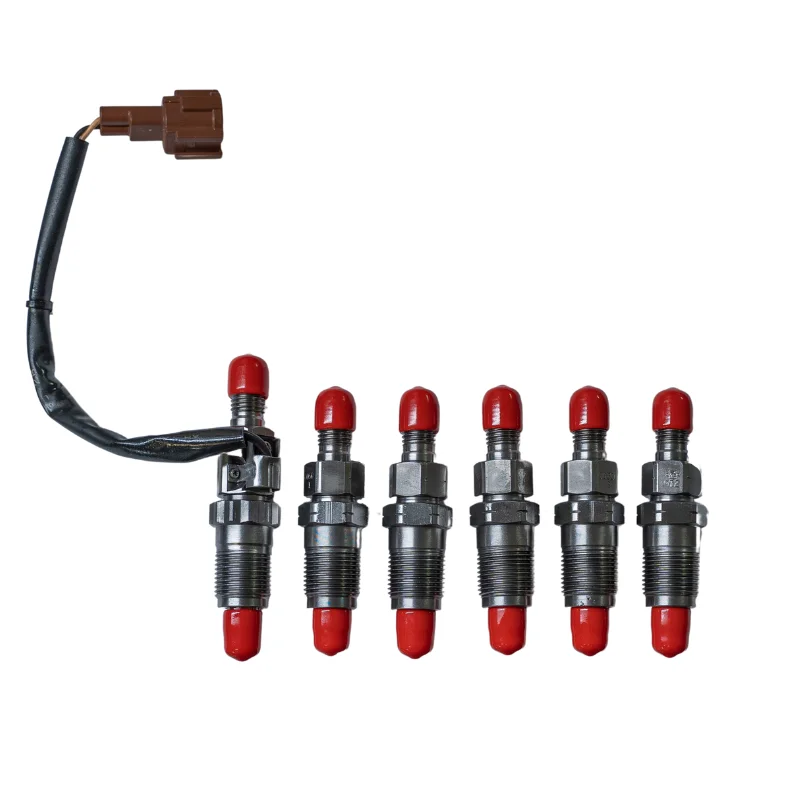
TD42 Injectors Explained: Signs of Wear, Upgrades and Better Diesel Performance
The Nissan TD42 has developed a loyal following among four-wheel-drive owners for good reason. Its mechanical diesel design, strong torque, and ability to handle demanding conditions have made it a popular choice for touring, towing, work vehicles, and off-road builds.
But even a dependable diesel engine depends on a healthy fuel system. TD42 injectors have a direct effect on how fuel enters the combustion chamber, making their condition important for starting, idle quality, fuel consumption, smoke, and engine performance.
Knowing the warning signs of injector problems can help owners deal with issues before they become more expensive.
What Do TD42 Injectors Actually Do?
Diesel injectors deliver fuel into the combustion chamber at a precisely controlled pressure and spray pattern.
The injector pump supplies fuel to the injectors, while the injectors control how that fuel is introduced into the engine. The quality of this spray affects how efficiently the fuel mixes with the available air and burns.
A healthy injector should provide a consistent spray pattern and operate at the appropriate opening pressure for the engine’s specification.
Problems with the injectors can therefore affect combustion even when the injector pump itself is functioning correctly.
Signs Your Injectors May Need Attention
Injector wear can develop gradually, so the symptoms are not always dramatic.
One of the first signs may be a change in engine behaviour. A TD42 that previously started quickly may begin taking longer to fire, particularly when cold.
Other symptoms can include:
- Rough or uneven idle
- Excessive black, white, or unusual exhaust smoke
- Increased fuel consumption
- Reduced acceleration
- Poor throttle response
- Engine hesitation
- Hard starting
- Unusual combustion noise
These symptoms can have several causes, so replacing the injectors based on one symptom alone is not advisable. Air intake restrictions, fuel filters, pump condition, compression, turbocharger issues, and other components should also be considered.
Why Injector Condition Matters for Fuel Economy
Fuel economy depends on many factors, including vehicle weight, tyre size, driving conditions, gearing, turbo setup, and driving habits.
Injectors still have an important role.
A worn injector may not produce the correct spray pattern, which can affect combustion efficiency. Poor atomisation can result in incomplete combustion and increased smoke.
For an older TD42 used regularly for touring or towing, having the injectors tested can be worthwhile if fuel consumption has changed noticeably without an obvious change in vehicle use.
Testing Is Better Than Guesswork
Injectors can be removed and tested by a diesel specialist using appropriate equipment.
Testing can reveal whether an injector is opening at the correct pressure and whether its spray pattern is acceptable. The technician can also identify problems such as poor atomisation, leakage, or other signs of wear.
This provides a clearer picture than simply inspecting the injector from the outside.
Testing can be particularly useful before spending money on other performance modifications. There is little benefit in fitting additional performance equipment if the existing fuel system is already struggling.
Rebuilding or Replacing TD42 Injectors
Worn TD42 injectors may be suitable for rebuilding depending on their condition and the parts available.
A rebuild can involve replacing worn components and then testing the injector to ensure it meets the required specifications. In other cases, replacement injectors may be the more appropriate option.
The correct choice depends on injector condition, engine configuration, intended use, and the recommendations of the diesel specialist carrying out the work.
After servicing or replacing injectors, correct installation is essential. Fuel-system components need to be kept clean because contamination can damage precision components.
Performance Injectors for Modified TD42 Engines
The TD42 is frequently modified with larger turbochargers, intercoolers, exhaust systems, and upgraded fuel-system components.
Higher-output builds may require injectors capable of supplying an appropriate amount of fuel for the engine’s overall setup.
Larger injectors do not automatically mean more usable power. They need to be matched with the injector pump, turbocharger, available airflow, and engine tuning.
Adding excessive fuel without enough air can increase smoke and exhaust gas temperatures rather than producing efficient power.
A sensible performance build treats the fuel and air systems as a combination.
Injectors and the Injector Pump Work Together
The injectors and injection pump should not be considered separately.
The pump controls fuel delivery to the injectors, while the injectors introduce that fuel into the combustion chamber. A problem with either component can affect engine performance.
For a modified TD42, calibration becomes even more important. Changes to fuel delivery should account for turbocharger specifications, engine condition, intended power output, and how the vehicle is driven.
A setup designed for competition use may not be suitable for a touring vehicle that spends long periods under heavy load.
Don’t Ignore Exhaust Gas Temperatures
Additional fueling can produce additional heat.
Owners increasing fuel delivery should pay attention to exhaust gas temperatures, particularly during extended climbs, towing, or sustained high-load driving.
Excessive temperatures can place significant stress on engine components and turbocharger systems.
An appropriately sized turbocharger, sufficient intercooling, suitable fueling, and sensible tuning can help create a more balanced setup.
Performance modifications should be evaluated under the conditions in which the vehicle will actually operate rather than only during short acceleration runs.
Fuel Quality Makes a Difference
Diesel fuel contamination can damage injectors and other fuel-system components.
Water, dirt, and other contaminants can affect precision components inside the injection system. Regular fuel-filter replacement is therefore a simple but important part of maintaining a TD42.
Owners who frequently travel into remote areas should pay particular attention to fuel quality and filtration.
Keeping spare filters and following a sensible maintenance schedule can also reduce the risk of fuel-related problems during long trips.
Choosing the Right Injectors for Your TD42
The appropriate injector depends on the engine’s configuration and intended use.
A standard TD42 used for daily driving may need nothing more than correctly specified replacement or serviced original-style injectors. A turbocharged or heavily modified engine may require a different injector specification.
Before purchasing, owners should consider:
- Engine model and configuration
- Existing turbocharger
- Injector pump setup
- Intended power level
- Towing requirements
- Touring or off-road use
- Existing intercooling and exhaust modifications
A diesel specialist can help determine the appropriate specification rather than relying solely on advertised horsepower figures.
See also: Leaflet Distribution Is Helping Local Businesses Cut through Digital Marketing Fatigue
Healthy Injectors Support the Whole Engine
Good injector condition contributes to consistent combustion, reliable starting, sensible fuel consumption, and predictable engine response.
For TD42 owners, injector testing is also a useful diagnostic step when the engine develops smoke, rough running, poor starting, or unexplained performance loss.
For modified vehicles, injector selection becomes part of the wider performance equation. Matching TD42 injectors with the injector pump, turbocharger, intercooler, exhaust, and engine calibration can produce a more usable result than upgrading one component in isolation.
A well-maintained fuel system gives the TD42 a better foundation for the hard work these engines are often asked to perform.