ByJohn A
The Waterproofing Is Underneath: Why Schluter Shower Installers Matter
A shower can look flawless on the day a renovation is finished. The tiles are straight, the grout is clean, and the fixtures shine. Yet much of a shower’s long-term performance depends on work that disappears behind those finished surfaces.
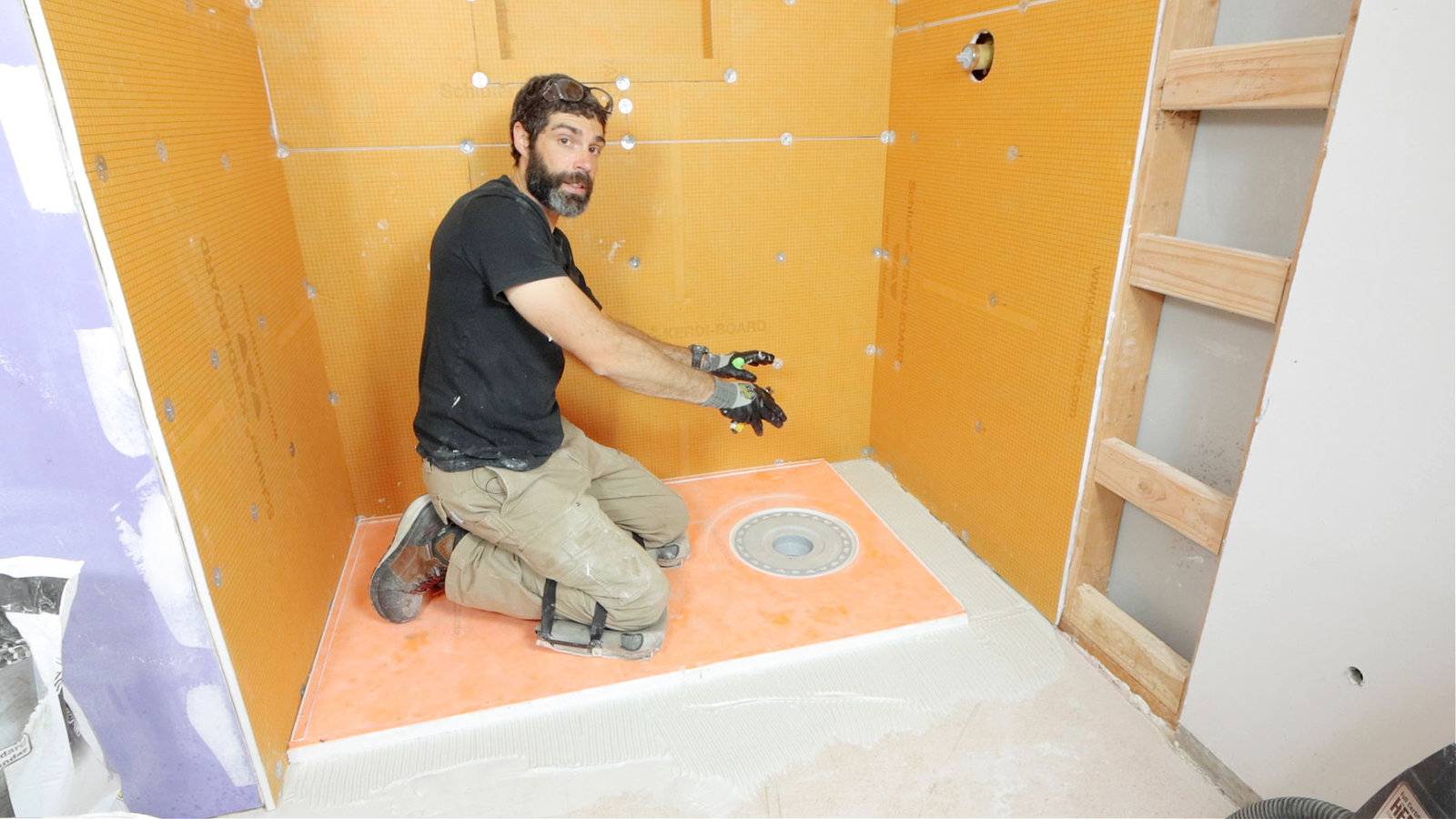
Waterproofing, drainage, wall preparation, shower slopes, and membrane installation all affect whether a tiled shower remains reliable over the years. This is why choosing experienced Schluter shower installers can make a significant difference to the quality of a bathroom renovation.
Schluter systems are designed to work as a coordinated waterproofing and shower construction system. Correct installation matters just as much as selecting the right products.
A Tiled Shower Needs More Than Good Tile Work
Tiles are water-resistant, but a tiled surface should not be treated as the primary waterproofing layer.
Water can reach grout joints, corners, penetrations, and other areas within the shower assembly. A properly installed waterproofing system helps prevent that moisture from reaching the underlying structure.
This distinction is easy to overlook because waterproofing is largely hidden once the project is complete.
An experienced installer understands that the finished tile surface is only one part of the shower assembly.
What a Schluter Shower System Can Include
Depending on the design, a Schluter shower installation may involve several components working together.
These can include waterproofing membranes, shower trays, curbs, drains, corner seals, pipe seals, niches, and other system components.
The purpose is to create a coordinated method for managing water throughout the shower area.
For example, a shower floor needs appropriate drainage and slope so water moves toward the drain rather than collecting in low areas. Wall transitions and corners need suitable waterproofing details as well.
The exact products required depend on the shower design and the installation method.
Preparation Determines the Finished Result
Before waterproofing begins, the substrate needs to be properly prepared.
Walls and floors should be suitable for the intended installation, reasonably flat, clean, and structurally sound. Any necessary framing adjustments should be completed before the waterproofing system is installed.
Poor preparation can create problems later. Uneven surfaces may affect tile installation, while movement or unsuitable substrates can compromise the finished assembly.
Taking time during preparation is usually far less expensive than correcting problems after the bathroom has been tiled.
Shower Floors Need the Correct Slope
Water needs a clear path to the drain.
A shower floor that is not correctly sloped can leave standing water, which can make the shower unpleasant to use and complicate cleaning.
Pre-formed shower trays can simplify this part of the installation because they are manufactured with the required slope. The installer still needs to ensure the tray is correctly supported, positioned, connected to the drain, and integrated with the surrounding waterproofing.
Custom shower designs may require different methods, particularly where unusual dimensions or drainage layouts are involved.
Corners and Penetrations Need Attention
Some of the most important waterproofing details occur where surfaces meet.
Inside corners, outside corners, wall-to-floor transitions, shower niches, benches, and plumbing penetrations all require appropriate treatment.
These areas should not be treated as minor finishing details. They are part of the waterproofing assembly and need to be installed according to the system’s requirements.
An experienced installer should know where these vulnerable points occur and plan them before the tile work begins.
Niches Can Be Practical and Attractive
Recessed shower niches are popular because they provide storage without taking up floor space.
However, creating a niche means introducing additional corners and transitions into the shower wall. Waterproofing needs to continue correctly around the entire opening.
A properly planned niche can provide useful storage for shampoo, soap, and other items while also becoming a visual feature of the shower.
Its size and location should be established before waterproofing and tiling begin.
The Drain Is Part of the Design
A shower drain does more than remove water.
Linear drains and point drains can create different visual effects and may influence the layout and tile pattern.
The drain should be selected alongside the shower tray, waterproofing system, floor finish, and plumbing layout.
The installer also needs to ensure the finished floor slopes correctly toward the drain while maintaining the desired tile layout.
Planning these details early can prevent awkward cuts and unnecessary changes later.
Why Installer Experience Matters
A waterproofing system is only as reliable as its installation.
Even quality components can perform poorly if they are incorrectly fitted, poorly sealed, or installed over an unsuitable substrate.
Experienced Schluter shower installers should understand how the individual components work together and follow the manufacturer’s installation requirements.
They should also be comfortable coordinating waterproofing with plumbers, electricians, framers, and tile installers where multiple trades are involved.
Ask About the Installation Process
Homeowners do not need to become waterproofing experts before hiring an installer, but asking a few practical questions can help.
Find out which Schluter system is being proposed and what components will be used. Ask how the substrate will be prepared, how corners and penetrations will be waterproofed, and how the shower floor will be sloped toward the drain.
It is also reasonable to ask about previous Schluter installations and whether the installer has experience with similar shower designs.
Clear answers can provide more useful information than simply choosing a contractor based on the lowest quote.
Don’t Let Tile Selection Distract From the Structure
Beautiful tile, premium fixtures, and custom glass can make a bathroom look impressive. None of them can compensate for inadequate waterproofing.
The parts of the shower that cannot be seen deserve as much attention as the finishes that can.
A properly planned installation considers the substrate, waterproofing, drainage, corners, penetrations, shower fixtures, and tile layout as one connected project.
See also: Leaflet Distribution Is Helping Local Businesses Cut through Digital Marketing Fatigue
A Shower Should Stay Reliable After the Renovation
The real test of a shower is not how it looks immediately after the grout has dried. It is how it performs after months and years of regular use.
Choosing qualified Schluter shower installers can help ensure that the waterproofing system is installed correctly and that the visible finishes are built on a sound foundation.
For homeowners planning a new tiled shower, the smartest questions are often about what will be hidden beneath the tiles. Once the waterproofing and drainage details are right, the tile, fixtures, glass, and finishing touches can do what they are supposed to do: make the space look and feel great.