ByJohn A
Can Dental Implants Bring Back Comfortable, Confident Chewing?
Losing a tooth can affect much more than the appearance of your smile. It can make chewing less comfortable, change how your teeth meet, and cause you to favor one side of your mouth while eating. Dental implants can restore much of the function provided by natural teeth because they replace both the visible tooth and its root structure. For patients considering implant dentistry Tysons VA, implant-supported tooth replacement can provide a stable foundation for chewing and everyday oral function. G4 Dental Implants helps patients understand how implant treatment can support a more natural-feeling bite after tooth loss.
Why Tooth Loss Changes the Way You Chew
A healthy set of teeth works as a coordinated system. Each tooth contributes to biting, grinding, and breaking food into smaller pieces before it is swallowed. Losing even one tooth can interrupt that balance.
The remaining teeth may take on more of the chewing workload. Some people begin chewing mostly on the opposite side because the area around the missing tooth feels uncomfortable or lacks support. Over time, this change can affect how efficiently food is broken down and may contribute to uneven wear on the remaining teeth.
Several missing teeth can have an even greater effect. Gaps may make certain foods difficult to bite or grind, while removable dentures can sometimes move during chewing. The result is often a less secure bite and a need to modify eating habits.
Replacing missing teeth is therefore about more than filling visible gaps. Restoring a functional chewing surface can help bring greater balance back to the mouth.
How Dental Implants Support Chewing Function
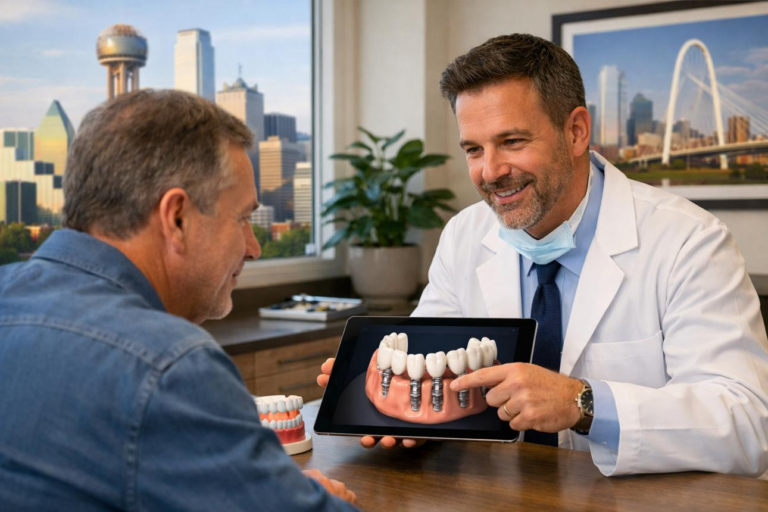
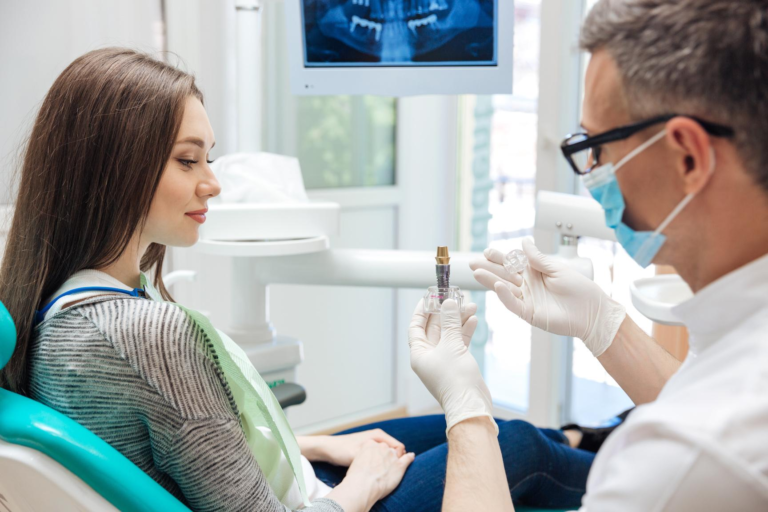
A dental implant is designed to replace the root portion of a missing tooth. A small implant post is placed in the jawbone, where it can become integrated with the surrounding bone. An abutment and dental crown are then used to complete the replacement tooth.
This structure gives an implant-supported tooth a stable foundation. Unlike a removable appliance that rests on the gums, an implant is anchored within the jaw. That stability can make biting and chewing feel more secure.
Implants can also help maintain the position of neighboring teeth. A tooth gap can allow nearby teeth to gradually shift toward the open space. Replacing the missing tooth helps provide a defined position for the surrounding teeth and supports a more organized bite.
The exact result depends on factors such as bone health, the location of the missing tooth, the condition of the surrounding teeth, and the design of the final restoration. A dental evaluation is necessary to determine the most appropriate treatment plan.
The Connection Between a Stable Bite and Better Eating
Chewing requires controlled movement between the upper and lower teeth. Your jaw muscles, joints, teeth, and supporting tissues work together during every bite.
A missing tooth can alter that relationship. Food may be harder to position, and pressure may be distributed differently across the remaining teeth. An implant-supported crown can restore a missing chewing surface and provide a firm point of contact.
The back teeth are particularly important for grinding food. Molars and premolars handle substantial chewing forces, so losing one of these teeth can have a noticeable effect on eating. Replacing the tooth with an implant-supported restoration can help restore that function while also supporting the overall arrangement of the bite.
This does not mean an implant behaves exactly like a natural tooth. Natural teeth have periodontal ligaments that provide sensory feedback and allow slight movement. Dental implants connect directly with the bone, creating a different type of support. Even so, their stability can make them highly useful for restoring everyday chewing function.
Why Implant Placement and Restoration Both Matter
A successful implant restoration involves more than placing an implant post. Its position must work with the surrounding teeth and the patient’s bite.
The implant needs adequate bone support, and the final crown needs to be shaped correctly for its location. The height, width, contact points, and biting surface all influence how the restoration interacts with the rest of the mouth.
Poorly positioned or improperly designed restorations can create unnecessary pressure on the implant or neighboring teeth. Careful planning helps the dental team account for the patient’s bite, oral anatomy, and functional needs.
For patients researching dental implants Tysons corner, understanding this distinction is useful. Implant treatment is not simply about replacing what is missing visually. The restoration also needs to function within the larger chewing system.
What Happens to the Jaw After Tooth Loss?
Tooth roots stimulate the surrounding jawbone through normal chewing forces. After a tooth is removed, that stimulation is reduced in the area, and the bone can gradually lose volume.
This change may affect the shape of the jaw and the amount of bone available to support an implant. Some patients may have sufficient bone for implant placement, while others may require additional evaluation or procedures to create suitable support.
An implant provides a root-like structure within the jaw and can help maintain bone in the area around the implant. This is one reason implants differ from tooth replacement options that sit above the gums without replacing the root.
Bone health is assessed as part of treatment planning. Imaging can help the dental team evaluate the location of important anatomical structures and determine how an implant can be positioned safely.
Dental Implants Can Help You Eat With More Confidence
A stable tooth replacement can make everyday eating feel more predictable. Patients may find it easier to bite into foods, chew on the treated side, and maintain a more balanced chewing pattern after their restoration has been completed and adjusted.
The goal is not simply to make a replacement tooth look natural. The crown must also withstand normal chewing forces and fit comfortably with the opposing teeth.
For people researching dental implants Tysons corner VA, functional design should be part of the conversation during a consultation. A restoration that looks good but does not fit properly within the bite can create unnecessary discomfort or pressure.
Individual adaptation also matters. The mouth may need time to adjust to a new restoration, and the dental team may recommend specific care during the healing and restoration process.
Implant Treatment Can Replace More Than One Missing Tooth
Implants can be used for different patterns of tooth loss. A single implant-supported crown can replace one missing tooth, while multiple implants can support several replacement teeth.
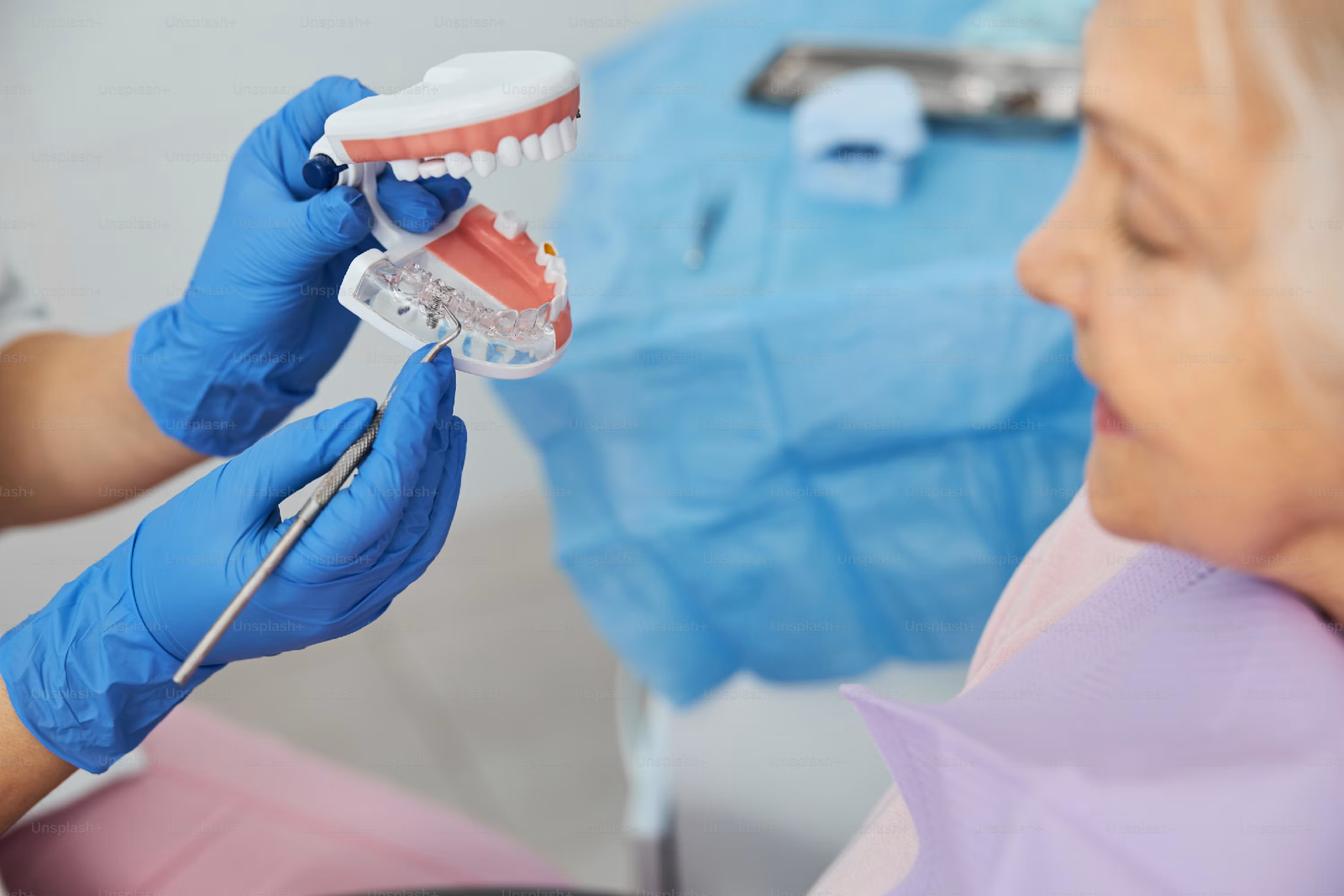
For patients missing many teeth, implant-supported dentures may provide greater stability than traditional removable dentures. The implants act as anchors, helping reduce movement of the prosthesis during chewing.
The right approach depends on the number and location of missing teeth, bone condition, gum health, bite relationship, and overall oral health. A personalized examination helps determine which restoration can provide the appropriate combination of support, comfort, appearance, and function.
G4 Dental Implants can be part of that discussion for patients seeking implant-based tooth replacement and wanting to understand how treatment may affect daily oral function.
Caring for Implants Helps Protect Long-Term Function
Implant-supported teeth require regular care. Although the replacement tooth cannot develop a cavity in the same way as a natural tooth, the surrounding gums and tissues still need attention.
Daily brushing and cleaning around the implant can help control plaque. Professional dental examinations allow the condition of the implant, restoration, gums, and surrounding teeth to be monitored.
Good oral hygiene also matters for the remaining natural teeth. An implant may replace a missing tooth, but it does not eliminate the need for routine preventive dental care.
Patients should also tell their dental provider about changes such as persistent tenderness, bleeding around the implant, difficulty chewing, or a feeling that the bite has changed. Early assessment can help identify problems before they interfere more significantly with oral function.
What Makes Someone a Candidate for Implant Treatment?
Suitability for dental implants cannot be determined from the missing tooth alone. The dental team generally evaluates the health of the gums, available jawbone, remaining teeth, bite, and overall oral condition.
Certain habits and medical factors can also influence healing and implant care. A thorough dental and medical history gives the provider information needed to plan treatment responsibly.
Patients considering dental implants Tysons should receive an individualized examination rather than relying on a general assumption that implants are suitable for everyone. In some situations, other dental treatment may need to be completed before implant placement can be considered.
Three factors are especially relevant during an implant evaluation:
- Bone support: The implant needs adequate bone for stable placement.
- Gum health: Healthy supporting tissues are important for maintaining the implant.
- Bite function: The replacement tooth needs to work properly with the opposing and neighboring teeth.
Restoring Function Starts With the Right Treatment Plan
Tooth loss can change the way you eat, speak, and use your mouth. A carefully planned implant restoration can replace a missing tooth with a stable structure that supports normal chewing mechanics.
The most appropriate treatment depends on your individual oral anatomy and the condition of the remaining teeth and gums. An evaluation can identify the source of your chewing difficulties and determine if an implant-supported restoration fits your needs.
For patients in the Tysons area, choosing an experienced dental team can make the planning process more focused on both appearance and function. The goal should be a restoration that fits comfortably into your daily life and supports the health of your remaining natural teeth.
See also: Closing the Doors Properly: What a Business Dissolution Lawyer Actually Handles
A Stronger Foundation for Everyday Chewing
Dental implants can restore chewing function after tooth loss by replacing the missing tooth with a stable, implant-supported restoration. Their connection with the jaw provides support that can help patients bite and chew with greater confidence while also helping maintain the structure of the area affected by tooth loss.
They are not identical to natural teeth, and results vary from person to person. Proper treatment planning, healthy supporting tissues, accurate restoration design, and consistent oral hygiene all contribute to successful long-term function.
If missing teeth are making meals less comfortable or causing you to avoid certain foods, contact us today to discuss your options and learn how implant treatment may fit your oral health needs. A careful evaluation can provide a clearer understanding of your bite, bone support, and suitable tooth replacement choices.
A restored smile should do more than fill a gap. It should help you use your teeth comfortably and confidently every day.