ByJohn A
Porsche Body Shop in Sacramento for Collision Repairs from Inspection to Reassembly
A damaged Porsche rarely shows the full extent of what happened at the curb. Panels look bent, and the harder questions sit deeper, inside bonded structures and calibrated electronics. Owners choosing a Porsche body shop often ask about price first and process second, when the process is the part that decides how the car behaves afterward.
A repair documented in stages gives the owner something to verify. A Porsche body shop that records every step from initial inspection through final reassembly produces evidence at each handoff, and that evidence separates a car returned to factory behavior from one that only looks finished. The sequence matters more than any single tool on the floor.
Why a Written Repair Sequence Protects a Precision Vehicle
Damage That Hides behind Clean Panels: Impact energy travels past the point of contact and settles in reinforcement bars and the sensor housings behind them. A shop that skips staged inspection replaces the cover and returns the car with misalignment still in place. The owner finds it later as a steering pull at freeway speed or a recurring warning light.
Delay That Narrows the Options: In everyday shop practice, estimators routinely see vehicles brought in months after a minor collision, by which point exposed metal has corroded and a repairable panel has become a replacement. Insurance timelines tighten too, and a claim reopened long after the incident carries more friction than one handled while the damage is fresh.
From First Inspection to an Approved Repair Plan
Inspection Paired with Insurance Communication: The first inspection documents visible damage in writing and photographs before any tool touches the vehicle, and that record becomes the basis for direct contact with the carrier. Insurers approve line items at their own pace, so clear documentation submitted early tends to keep the file moving rather than stalling on requests for clarification.
Structural Correction and Electronic Verification in One Workflow
Measurement against Factory Tolerances: A capable Porsche body shop verifies structural work with computerized measurement rather than judging it by eye, because the tolerances governing suspension geometry are finer than any panel gap suggests. Components bolted to a structure sitting millimeters out of position will read as worn parts later, when the real cause sits elsewhere.
Scanning That Reads Hidden Faults: Modern models route driver assistance and restraint data across a controller area network, so an impact can register faults in modules that were never physically touched. Scanning before and after the work, with access to manufacturer software, surfaces those codes and supplies the vehicle-specific procedures the repair calls for, including which systems need recalibration.
Refinishing and Reassembly against Factory Standards
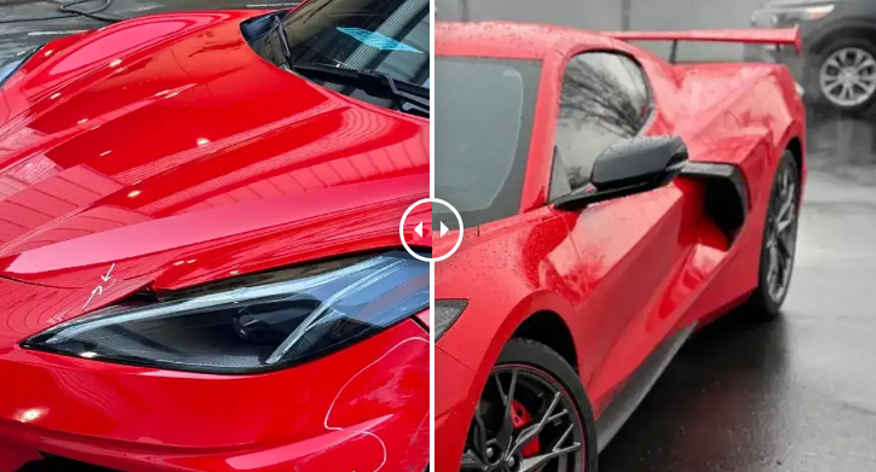
Color Accuracy Decided before Spraying: Paint matching starts by reading the existing finish rather than trusting the paint code, because sun exposure shifts a color away from its original formula over years of Sacramento summers. Spectrophotometry measures the panel as it sits today, and the blend map that follows determines how far new color extends into the adjacent panels.
Reassembly That Separates Specialists from Generalists: A general repair facility can deliver a straight panel and a clean finish, often at a lower rate. What it less often carries is the calibration equipment and factory documentation that reassembly of a modern Porsche depends on. Sensor brackets and torque values are marque-specific, and approximation there returns as a rattle or a fault code.
Marks of a Repair Process Worth Trusting
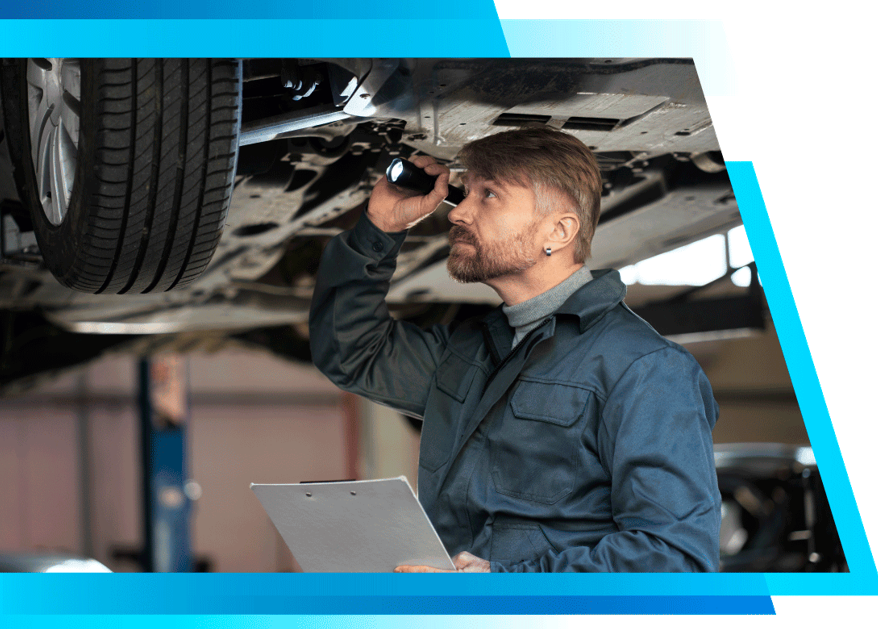
What to Confirm before Authorizing Work: Owners comparing quotes rarely have a way to judge technical skill from the parking lot, so the process itself becomes the proxy. The markers below reveal how a Porsche body shop actually operates, and most of them are visible before any work begins. Watch for them while the estimate is still being written.
- Repair plans are written after teardown, so pricing reflects real damage.
- Scan reports from before and after the repair are handed to the owner.
- Structural measurement results are recorded and can be shown on request.
- Insurance supplements are submitted by the shop, keeping the owner out of negotiations.
- Refinish work follows a documented blend approach rather than a single panel spray.
Final Quality Control and the Written Warranty
Quality Control as a Separate Stage: Final inspection treats the finished car as though it arrived for the first time. Panel gaps are measured against the opposite side and the finish is examined under controlled lighting, then diagnostics confirm every system reads clean before anyone calls the job complete. Anything found there returns to the floor rather than to the customer.
A Limited Lifetime Warranty in Writing: A limited lifetime warranty issued in writing tells the owner the shop expects its work to hold, and it gives a clear route back if something moves out of tolerance later. Coverage terms vary, so reading what the document actually covers matters as much as receiving it. A verbal assurance carries none of that weight.
See also: Understanding ERISA Law: What Employees and Plan Participants Need to Know
Bringing a Damaged Porsche Back to Factory Behavior
A repair sequenced from inspection through reassembly returns a car that drives the way it did before the impact, not one that merely photographs well. Waiting turns repairable metal into replaced metal and a straightforward claim into a contested one. Booking an inspection with a Porsche body shop while the damage is fresh keeps every option open.