ByJohn A
What “Flame Retardant” Really Means on a Foam Spec Sheet
You pick up a foam spec sheet, and there it is: “flame retardant.” Two words that sound reassuring. But what does FR foam actually promise you, and what does it quietly leave out? Most buyers assume the label means the foam won’t burn. That assumption can cost you. FR foam resists ignition and slows how fast flames spread, but it is not fireproof, and the spec sheet rarely spells that out in plain terms.
Here is why the distinction matters. When you specify FR foam for seating, mattresses, or acoustic panels, you are buying time and reduced risk, not a guarantee. The foam is treated or engineered so that a small flame, a dropped cigarette, or a stray spark has a harder time catching and growing. That difference can decide whether a fire stays small or races across a room.
What FR Foam Actually Does
Standard polyurethane foam ignites easily. It is petroleum-based, full of air, and once it catches, it burns fast and gives off thick smoke. FR foam changes that behaviour in three ways.
- It raises the temperature needed for ignition, so the foam is slower to catch.
- It slows flame spread across the surface, buying seconds or minutes for people to react.
- It reduces the intensity of burning in the early stage, which limits how quickly a small fire becomes a large one.
Notice what is missing from that list. Nowhere does it say the foam cannot burn. Push enough heat into any foam and it will. FR treatment shifts the odds in your favour. It does not rewrite physics.
See also: Why Guide Rods Fail, and How to Make Them Last Longer
Reading the Grades on a Spec Sheet
This is where buyers get tripped up. A spec sheet might list a flammability standard, a rating code, or a test method, and each one measures something slightly different. Some tests check how the foam reacts to a small open flame. Others measure smoke output or how the material behaves under a smouldering source rather than a flame.
So two foams can both wear the FR label and still perform differently in a real fire. One might resist a match. Another might resist a slow smoulder but fail against direct flame. You have to read which test the foam passed, not just whether it passed one.
Ask the supplier these questions:
- Which specific test standard does this foam meet?
- Was it tested as raw foam, or in a finished assembly with fabric and backing?
- Does the rating cover open flame, smouldering, or both?
That last point trips up more people than any other. Foam tested on its own can behave differently once you wrap it in upholstery fabric. The fabric can either help or hurt. A spec sheet that only rates the bare foam tells you part of the story.
Where the Fear Is Justified
Think about the settings where a fire has the worst consequences. Cinemas. Hospitals. Hotel rooms. Recording studios packed with acoustic foam. Public transport seating. In each of these, people may be asleep, distracted, or slow to escape.
Now picture the wrong foam in those seats. A single ignition source, and untreated foam turns a manageable incident into a tragedy in under two minutes. That is not a scare tactic. It is the reason fire safety rules exist for public seating and bedding in the first place.
FR foam does not remove that risk. It lowers it. And in a building full of people, lowering the risk is the entire point. The question you should sit with is uncomfortable but fair: if a fire started near this foam tonight, would the material help or hurt?
FR Foam Across Different Uses
The right FR foam depends on where it goes.
- Automotive seating faces heat, friction, and confined spaces, so ignition resistance carries extra weight there.
- Mattresses and pillows sit close to sleeping people, where slow flame spread and low smoke output protect the people least able to react quickly.
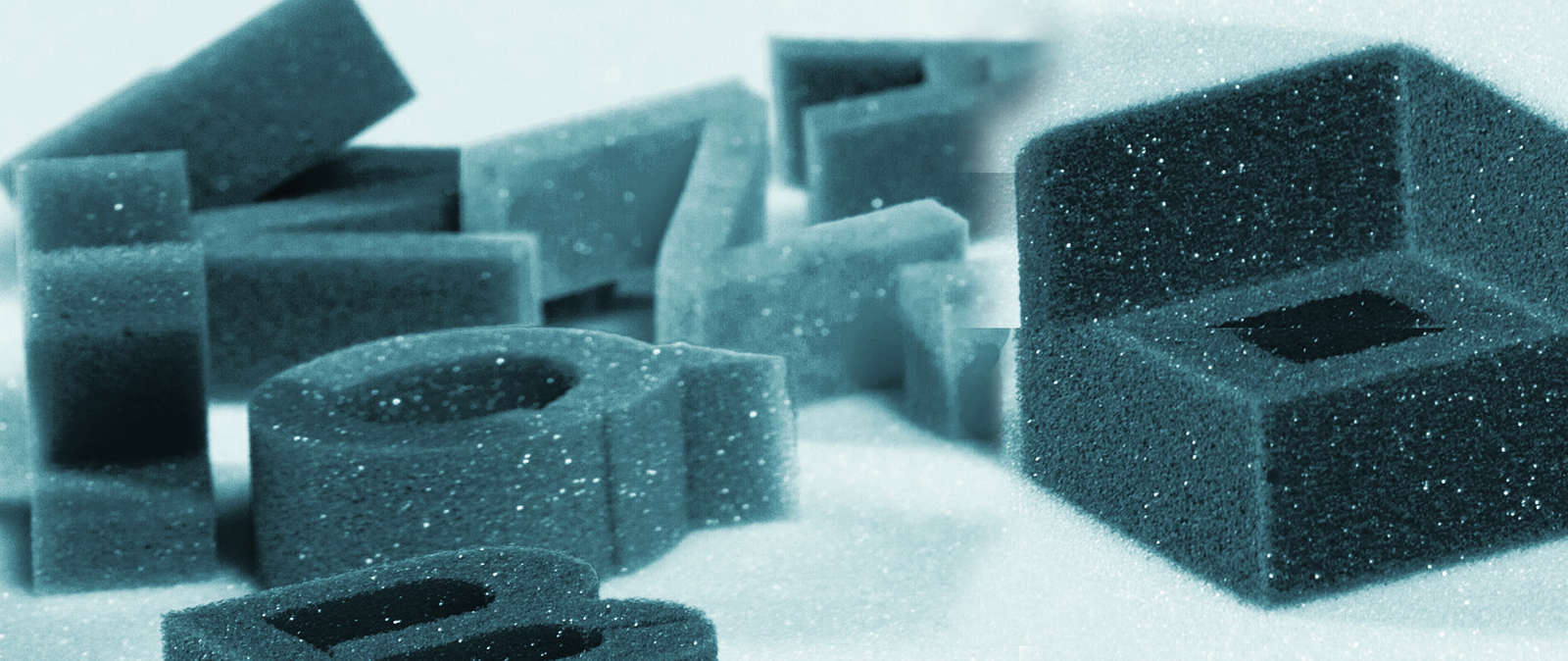
- Acoustic panels in studios and theatres cover large wall areas, so a foam that resists surface flame spread limits how far a fire can travel.
- Packaging and industrial uses often need FR foam to meet safety codes for the goods being shipped or stored.
One grade does not fit all of these. Matching the foam to the setting is the part buyers skip when they see “flame retardant” and assume the job is done.
Wrapping Up
So when that spec sheet lands on your desk, do not stop at the two friendly words. Look at the test standard. Ask whether it was rated as raw foam or a finished product. Check that the grade matches your setting. The label is a starting point, not an answer.
Flexipol manufactures flame-retardant foam alongside its full PU foam range, and matching the right FR grade to your application is a conversation worth having before you buy, not after something goes wrong.
Next steps: pull the spec sheet, find the test standard, and ask the three questions above.