ByJohn A
Flat Lantern Roof Design: What to Know Before Buying
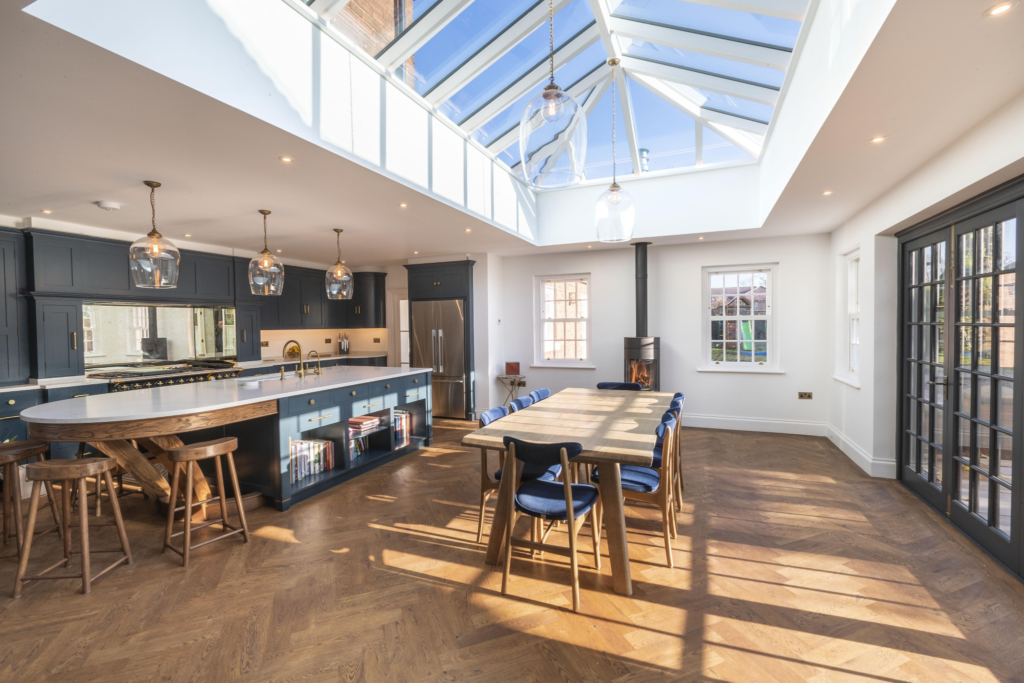
A flat lantern roof can change the character of a room by bringing daylight through an area that might otherwise depend heavily on artificial lighting. Unlike a standard flat rooflight, a lantern has a raised, glazed structure that allows light to enter from different angles. This design can suit kitchens, extensions, dining areas, offices, and other spaces where natural light is limited.
For homeowners planning a renovation, understanding the design, glazing, ventilation, installation requirements, and available sizes can make the selection process much easier.
What Is a Flat Lantern Roof?
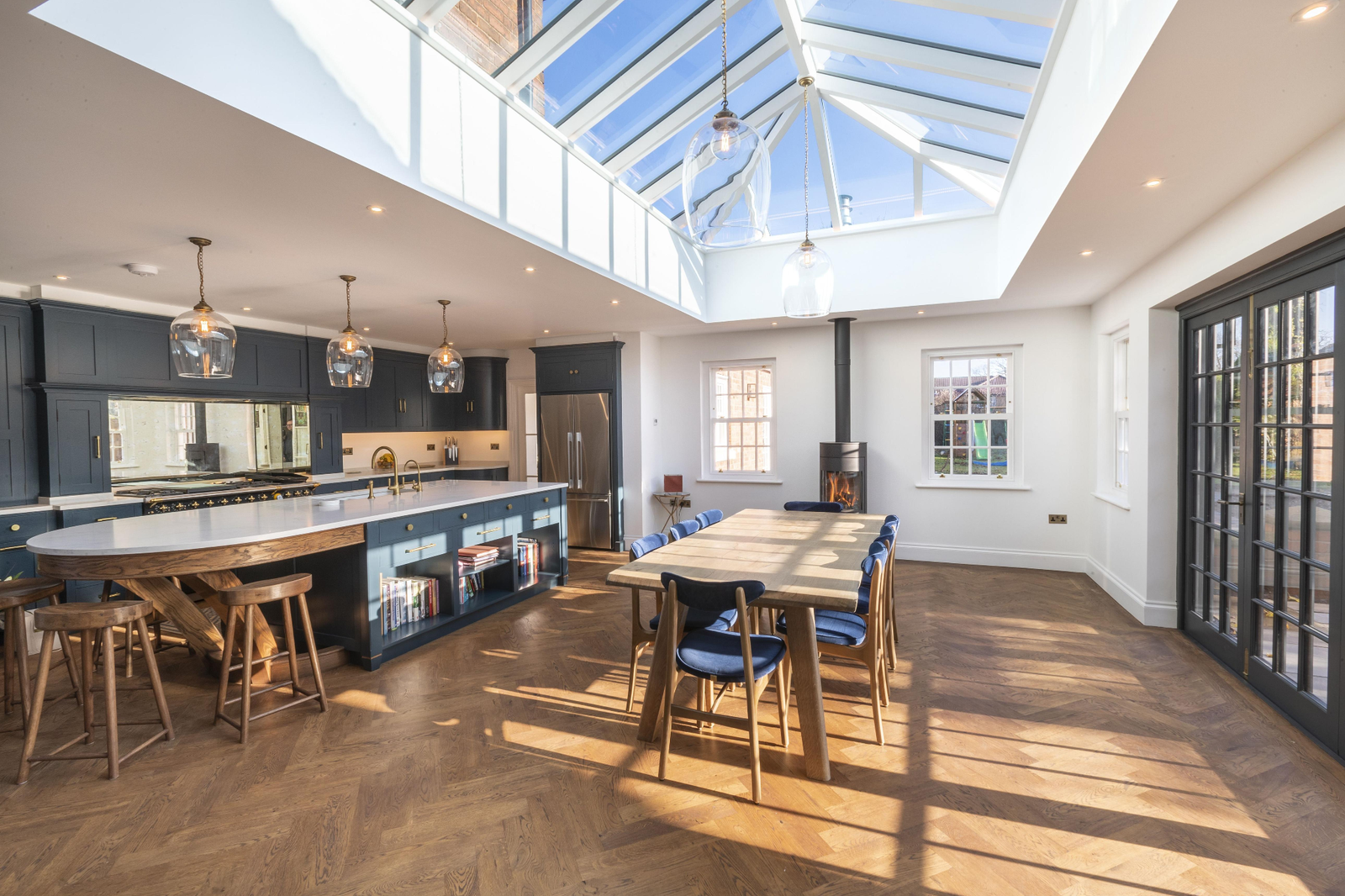
A flat lantern roof is a raised glazed roof structure installed over a flat or low-pitched roof. Its sloping sides create a lantern-like profile, allowing sunlight to enter from several directions.
The raised shape also creates additional visual height inside the room. This can be useful in extensions where a completely flat ceiling might feel low or enclosed.
The frame may be manufactured from materials such as aluminium, while the glazed sections can use different types of glass depending on thermal, safety, and solar-control requirements.
How Lantern Windows for Flat Roofs Work
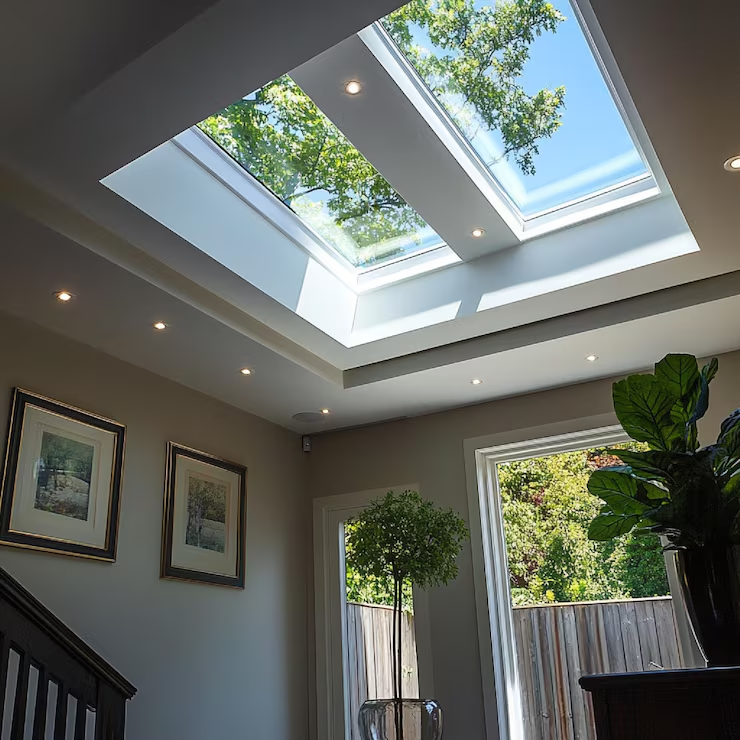
Lantern windows for flat roofs are designed to sit above the roof surface rather than remaining flush with it. Their angled glazing can capture daylight during different parts of the day as the position of the sun changes.
This arrangement can provide a broader spread of natural light than a small vertical window positioned on one wall. The effect depends on the size and orientation of the roof lantern, surrounding buildings, roof height, and glazing specification.
A well-positioned lantern can also become a strong architectural feature rather than simply serving as a source of daylight.
Choosing the Right Glazing
Glazing has a direct effect on comfort and energy performance. Clear glass provides strong daylight transmission, while solar-control glass can help reduce unwanted heat gain during periods of strong sunlight.
Low-emissivity coatings are another consideration. These coatings are designed to reduce heat transfer through the glass, helping the room retain warmth during colder periods.
Safety should also be considered, particularly for roof glazing. The appropriate glass specification depends on the installation and relevant building requirements.
Size and Proportion Matter
The size of a roof lantern should relate to the room beneath it. A very small lantern may have limited visual impact, while an oversized structure could dominate the roof area.
Consider the ceiling dimensions, furniture layout, roof structure, and position of existing windows before choosing a size. The location of the lantern can also affect how evenly daylight reaches the room.
For larger extensions, multiple roof lanterns may sometimes be considered, provided the roof structure and design allow for them.
Comparing Flat Roof Lanterns Online
Searching for flat roof lanterns online gives buyers access to different frame materials, glazing specifications, dimensions, opening options, and finishes. Product descriptions should be checked carefully rather than comparing products only by appearance or price.
Look for information about:
- Overall dimensions
- Glazing type
- Frame material
- Thermal performance
- Available finishes
- Ventilation options
- Weather sealing
- Installation requirements
- Warranty information
Detailed technical information can help you determine whether a particular lantern is suitable for the roof and room where it will be installed.
Buying a Flat Roof Lantern
People planning to buy flat roof lanterns should consider the complete installation rather than the lantern alone. The roof opening, upstand, drainage details, insulation, flashing, and internal finish all need to work together.
Professional installation may also be required depending on the complexity of the roof and the product selected. Checking dimensions before ordering is particularly important because the structural opening and finished external dimensions may differ.
Ask the supplier for installation information and technical drawings if these are available. These documents can help confirm that the selected product will fit the intended roof design.
Ventilation Options
Natural daylight is only one consideration. Ventilation can also be useful in rooms such as kitchens, dining spaces, and extensions where heat and moisture can accumulate.
Some roof lantern systems can incorporate opening sections or compatible ventilation products. Manual and electrically operated options may be available depending on the system.
The ventilation method should be considered during the design stage so that electrical connections, controls, and opening mechanisms can be accommodated properly.
Thermal Performance and Solar Control
Large glazed areas can affect indoor temperature. During summer, sunlight passing through the roof lantern may increase internal temperatures, particularly in rooms with little cross-ventilation.
Solar-control glazing, internal or external shading, and suitable ventilation can help manage this issue.
During colder months, high-performance glazing can help limit heat loss. The overall performance will also depend on the frame, roof construction, insulation, and quality of installation.
A roof lantern should therefore be considered as part of the entire roof assembly rather than as an isolated component.
Styles and Finishes
Roof lanterns are available in different profiles and finishes, making it possible to coordinate them with the existing building.
Slim aluminium frames can provide a clean appearance with a strong glazed area, while different frame colours can be selected to complement doors, windows, roofing materials, or interior finishes.
The shape of the lantern also affects its appearance. Traditional proportions may suit period properties, while simpler profiles can work well with contemporary extensions.
Finding Flat Roof Lanterns for Sale
When comparing flat roof lanterns for sale, avoid making the decision based solely on the advertised price. A lower initial cost may not represent the final project cost if additional components, specialist installation, glazing upgrades, or structural work are required.
Compare the complete specification of each product. Check what is included in the quoted price and whether items such as kerbs, flashing, opening mechanisms, or installation accessories are supplied separately.
It is also useful to review warranty terms and supplier support before placing an order.
See also: Leaflet Distribution Is Helping Local Businesses Cut through Digital Marketing Fatigue
Installation Considerations
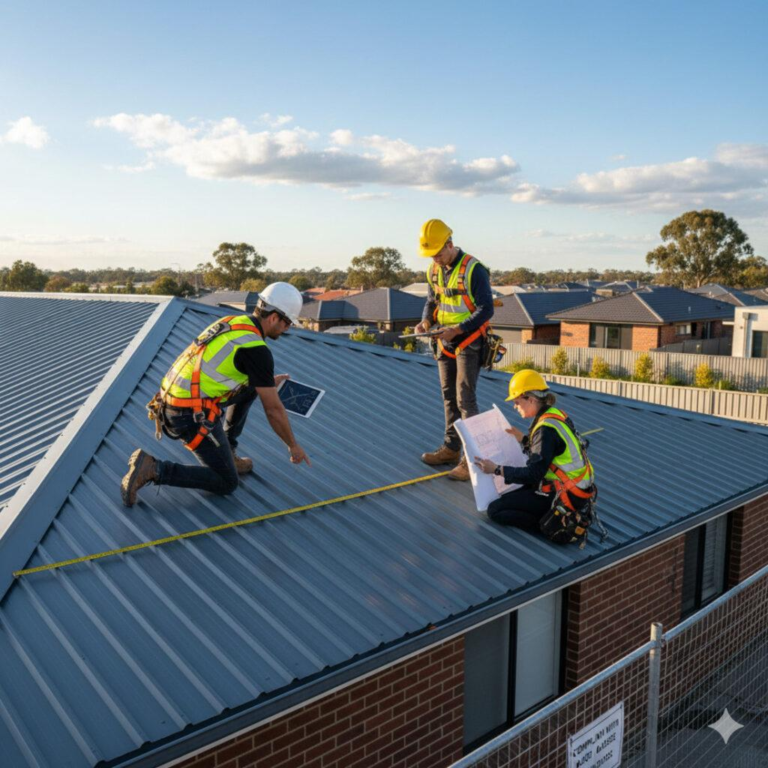
Installing a roof lantern involves more than positioning the glazed structure over a roof opening. The supporting roof structure must be suitable, and the opening needs accurate preparation.
Weatherproofing is another major consideration. Flashing, seals, drainage routes, and roof membranes must be installed correctly to reduce the risk of water penetration.
Insulation around the opening should also be handled carefully to limit thermal bridging. Poor detailing can reduce the performance of an otherwise well-specified lantern.
For structural alterations or complicated installations, advice from a qualified roofing professional or building specialist can help confirm the appropriate construction method.
Making a Practical Choice
A flat lantern roof can provide daylight, visual height, and a distinctive architectural feature for a flat-roofed extension or existing building. The best choice depends on the room, roof structure, glazing requirements, dimensions, ventilation needs, and installation details.
Taking time to compare technical specifications rather than focusing only on appearance can help you choose a lantern that suits both the building and the way the space is used.